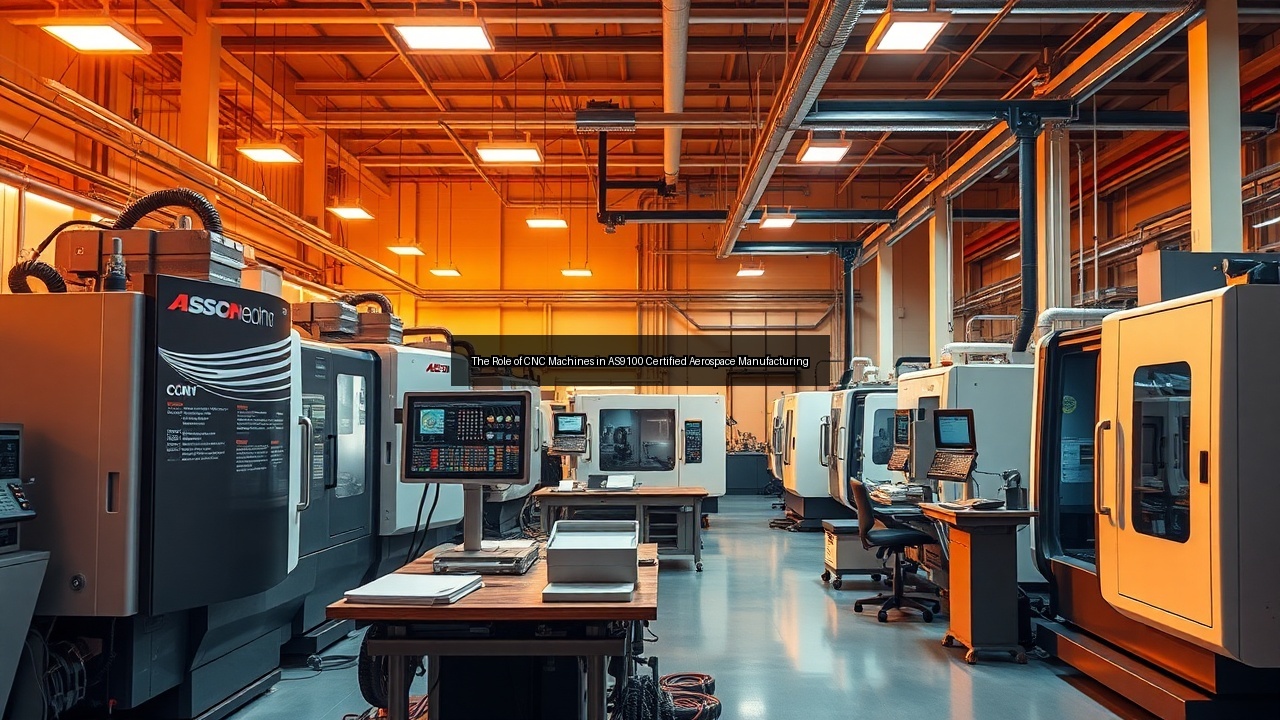
The Role of CNC Machines in AS9100 Certified Aerospace Manufacturing
Understanding AS9100 Certification in Aerospace Manufacturing
Overview of AS9100 Standards
AS9100 standards represent a comprehensive set of requirements for quality management systems specifically tailored for the aerospace industry. This certification encompasses all facets of aerospace manufacturing, including design, production, and maintenance. The standards ensure that organizations meet stringent regulatory requirements while prioritizing safety and performance. AS9100 certification not only applies to manufacturers but also extends to suppliers and service providers in the aerospace sector. By adhering to these standards, companies demonstrate their commitment to quality and their ability to consistently deliver products that meet customer and regulatory expectations.
Importance of AS9100 Rev D in Aerospace
AS9100 Rev D introduces significant enhancements to previous versions, focusing on risk management and the need for a more proactive approach to quality assurance. This revision emphasizes the importance of understanding the context of the organization, including stakeholder needs and expectations, which fosters a culture of continuous improvement. Rev D also integrates the latest industry innovations, such as digital transformation, making it crucial for aerospace manufacturers to adopt these practices. Organizations that achieve AS9100 Rev D certification not only bolster their credibility but also gain a competitive edge in the aerospace market by showcasing their dedication to quality and reliability.
Key Requirements for AS9100 Certification
Achieving AS9100 certification involves meeting several key requirements. Organizations must develop a quality management system that encompasses a documented quality policy, objectives, and plans for continuous improvement. Additionally, each company must demonstrate that it can consistently produce products that meet customer and regulatory requirements. Effective management of resources, including personnel and infrastructure, is vital. Furthermore, organizations must establish robust processes for monitoring, measuring, and analyzing performance. These elements create a solid foundation for quality control, ensuring that aerospace machine shops can deliver high-quality products that adhere to AS9100 standards.
The Role of CNC Machines in AS9100 Certified Aerospace Manufacturing
Benefits of CNC Machining in Aerospace
CNC machining plays a pivotal role in AS9100 certified aerospace manufacturing by offering numerous benefits that align with quality management objectives. CNC machines provide unparalleled precision, allowing manufacturers to create complex parts that meet strict aerospace specifications. This level of accuracy minimizes the risk of errors, thereby reducing material waste and lowering production costs. Additionally, CNC machining enhances repeatability, ensuring that every component produced remains consistent across batches. For aerospace applications, where even minor deviations can lead to catastrophic failures, the reliability of CNC machines is invaluable. This technology enables aerospace manufacturers to maintain their AS9100 certification by consistently delivering products that meet rigorous quality standards.
Precision and Accuracy in CNC Machining
Precision and accuracy are critical in aerospace manufacturing, where components must endure extreme conditions and maintain functionality under stress. CNC machines excel in this domain, offering tolerances that often measure in microns. This capability allows aerospace machine shops to produce components with intricate designs, such as turbine blades or fuselage sections, which require exact specifications. The integration of advanced software in CNC operations further enhances precision by enabling real-time monitoring and adjustments during the machining process. This level of control is essential for AS9100 certified manufacturers, as it not only ensures compliance with quality standards but also supports the creation of innovative designs that push the boundaries of aerospace engineering.
How CNC Machines Enhance Production Efficiency
CNC machines significantly enhance production efficiency within AS9100 certified aerospace manufacturing environments. Their automated nature reduces the need for manual intervention, minimizing the potential for human error. This automation allows for faster turnaround times, enabling machine shops to meet tight deadlines without sacrificing quality. Furthermore, CNC machining can operate continuously, maximizing productivity during off-peak hours. The ability to quickly switch between different tasks or parts also contributes to a more agile manufacturing process. By streamlining operations, CNC machines help aerospace manufacturers maintain their AS9100 certification while effectively meeting market demands.
Quality Control Mechanisms in AS9100 Certified Machine Shops
Inspection and Verification Processes
Quality control mechanisms are essential in AS9100 certified machine shops, where inspection and verification processes play a vital role in ensuring product integrity. Companies must implement thorough inspection protocols at various stages of production, from incoming materials to final assembly. Utilizing advanced measurement tools, such as coordinate measuring machines (CMM), allows for accurate assessments of components. Regular audits and reviews of inspection processes ensure compliance with AS9100 standards and highlight areas for improvement. These practices not only enhance product quality but also build customer trust, as clients can be confident that every component meets stringent aerospace specifications.
Traceability in Aerospace Manufacturing
Traceability is a cornerstone of quality assurance in AS9100 certified aerospace manufacturing. It involves maintaining detailed records of each component's journey from raw material to final product. This documentation includes information about production processes, inspection results, and materials used. Such meticulous tracking ensures accountability and facilitates quick identification of any issues that may arise during production or after delivery. In the event of a quality concern, traceability allows manufacturers to conduct thorough investigations and implement corrective actions effectively. This level of transparency not only supports compliance with AS9100 standards but also strengthens relationships with customers and regulatory bodies.
Developing a Quality Control Checklist
Creating a comprehensive quality control checklist is crucial for AS9100 certified machine shops. This checklist should encompass all aspects of production, including material inspection, process validation, and final product evaluation. Each item on the checklist should align with AS9100 requirements, ensuring that all quality management practices are thoroughly documented and adhered to. Regular reviews and updates of the checklist will help machine shops stay current with industry standards and best practices. By having a robust quality control checklist in place, manufacturers can enhance operational efficiency, reduce defects, and maintain their AS9100 certification.
Choosing the Right AS9100 Machine Shop
Factors to Consider When Selecting a Machine Shop
Selecting the right AS9100 machine shop involves evaluating several key factors. First, consider the shop's experience and expertise within the aerospace sector. A machine shop with a proven track record in aerospace manufacturing will have a better understanding of industry-specific challenges and requirements. Review their certifications and compliance with AS9100 standards, as this ensures they adhere to quality management practices. Additionally, assess their technological capabilities, such as the types of CNC machines they operate and their ability to handle complex designs. Lastly, customer testimonials and case studies can provide insight into the shop's reliability and quality of service.
The Importance of Certifications Beyond AS9100
While AS9100 certification serves as a crucial benchmark for quality management in aerospace manufacturing, additional certifications can further enhance a machine shop's credibility. Certifications such as ISO 9001, NADCAP, or specific aerospace industry certifications indicate a commitment to quality and excellence. These additional qualifications often signify that a machine shop has undergone rigorous assessments and met even higher standards. Choosing a machine shop with multiple certifications provides assurance that they prioritize quality control and possess the necessary skills to meet complex aerospace requirements.
Future Trends in Aerospace CNC Machine Shops
The landscape of aerospace CNC machine shops is evolving rapidly, driven by technological advancements and market demands. Automation and artificial intelligence are becoming more prevalent, enhancing productivity and precision in manufacturing processes. Additionally, the adoption of Industry 4.0 principles allows for smarter manufacturing, where data-driven insights optimize operations. Sustainability is another critical trend, with increased focus on eco-friendly practices and materials. As the aerospace industry continues to grow, AS9100 certified machine shops will need to adapt to these trends, AS9100 machine shops ensuring they remain competitive and capable of meeting the ever-increasing demands of the aerospace sector.
See Also
- A Complete Checklist for AS9100 Certification in Machine Shops
- Elevating Standards in Aerospace with AS9100 Certified Machine Shops
- Building a Culture of Compliance in AS9100 Machine Shops
- Why Traceability Matters in AS9100 Certified Aerospace Machine Shops
- Exploring the Challenges Faced by AS9100 Machine Shops Today