Future Trends in Precision Aluminum CNC Machining Technologies
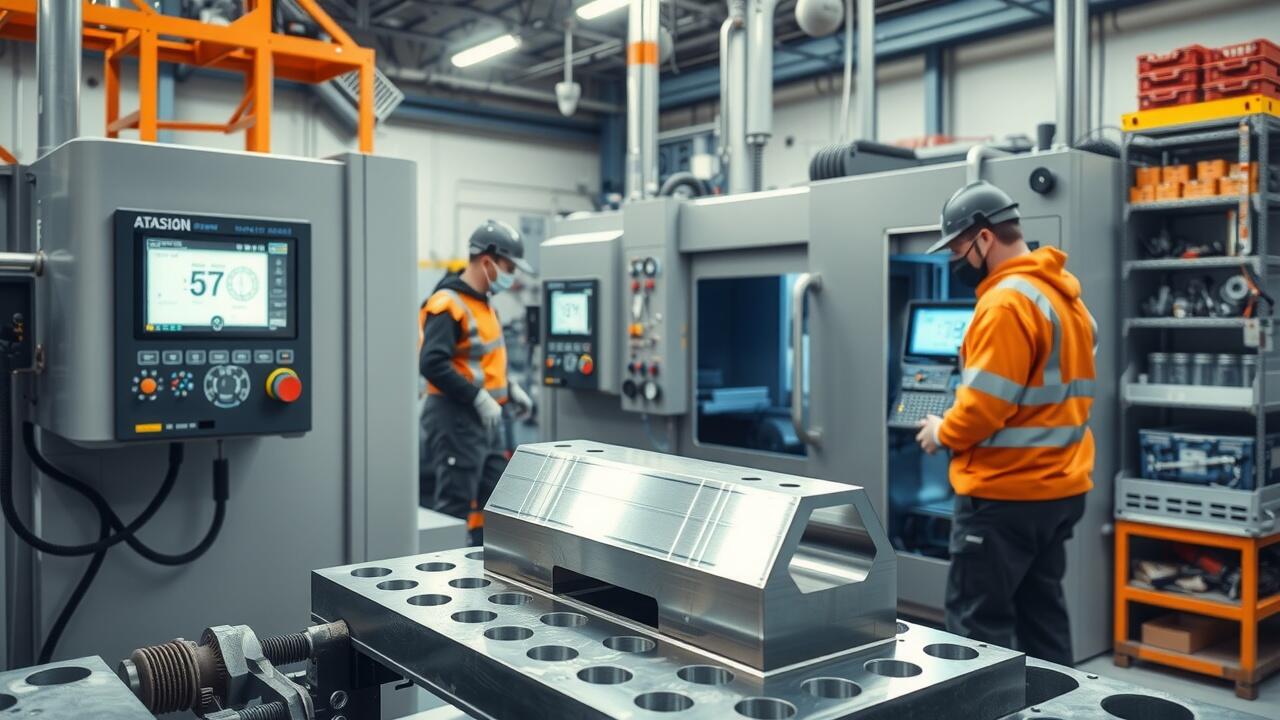
Table Of Contents
Key Takeaways
- Incorporation of Internet of Things in machining processes
- Personalization options in CNC fabrication
- Influence of five-axis machining technology
- Data analysis for enhancing CNC efficiency
Integration of IoT in Machining Operations
The integration of IoT in machining operations has transformed traditional aluminum CNC machining processes into highly efficient, data-driven systems. Smart sensors, embedded in CNC machines, continuously gather performance metrics, machine status, and operational data in real-time. For instance, a study by the International Journal of Advanced Manufacturing Technology found that manufacturers utilizing IoT-enabled machines reduced downtime by up to 25% while improving production efficiency by 30%. This connectivity allows for immediate performance assessments, ensuring that any anomalies in aluminum machining can be addressed promptly.
Moreover, the ability to analyze data from IoT devices facilitates more informed decision-making. By employing predictive maintenance, manufacturers can anticipate equipment failures before they occur, thus enhancing overall machine reliability and lifespan. For example, companies using IoT applications have reported up to a 15% decrease in maintenance costs by targeting specific, data-driven improvements in their CNC aluminum machining processes. This integration not only boosts operational efficiency but also aligns with industry standards for quality and performance, positioning firms to respond agilely to market demands.
How Does IoT Enable Better Monitoring and Control?
IoT integration in aluminum CNC machining significantly enhances the monitoring and control of machining operations. Real-time data collection from machinery allows operators to gain insights into performance metrics. For instance, sensors can track spindle speeds, temperature variations, and tooling wear rates. This level of detail helps in promptly identifying anomalies and ensuring that any deviations from set parameters are addressed immediately. A case study involving a leading machining facility showed a 30% reduction in downtime due to predictive maintenance enabled by IoT solutions.
Through advanced analytics, operators can leverage these insights for actionable improvements. Utilizing dashboards that display key performance indicators fosters a proactive approach to machining efficiency. Monitoring metrics such as cycle times and material usage highlights areas where optimization is needed. Furthermore, implementing automated alerts on potential issues empowers staff to take timely corrective actions, ultimately enhancing overall productivity in CNC aluminum machining workflows. This integration not only maximizes operational efficiency but also aligns with industry standards for quality and safety.
Customization Capabilities in CNC Machining
The need for customization in CNC aluminum machining stems from varied market demands. Manufacturers increasingly face requirements for unique designs, which calls for a flexible machining process capable of producing components tailored to specific applications. By incorporating advanced CNC programming, a machine shop can adjust parameters such as feed rates, tool types, and machining paths tailored to each project's needs. This adaptability allows for the efficient production of small batch sizes, minimizing wastage while ensuring high precision.
One notable case study involved a manufacturer that specialized in aerospace components, where exacting specifications demanded stringent tolerances. By employing CNC technology that enabled precise customization, the company improved production efficiency by 30% while meeting all regulatory standards. Additionally, customizable options allowed the firm to offer bespoke designs, effectively enhancing its competitive stance in the market. Such strategies underscored the necessity for machining operations to not only adapt but also thrive amid diverse client specifications, thereby directly influencing profitability and market viability.
Why Does Customization Matter for Competitive Advantage?
Customization in aluminum CNC machining has become a fundamental factor for manufacturers aiming to differentiate themselves in a competitive landscape. Tailoring designs and specifications to meet unique client requirements enhances customer satisfaction and loyalty. In a recent survey, 65% of companies noted that customized products increased their market share, demonstrating the impact of personalization on business performance. Furthermore, CNC machinery allows for precise adjustments in tooling and programming, enabling the production of specialized parts with minimal lead time.
The demand for customized aluminum machining solutions also drives innovations in production techniques and technology integration. When companies leverage advanced CNC aluminum machining capabilities, they can efficiently produce complex geometries that standard machining processes fail to accommodate. For example, implementing modular tooling systems can reduce setup times and improve flexibility in production runs. This adaptability ensures that manufacturers can swiftly respond to changing market conditions or specific client requests, solidifying their competitive edge in a dynamic industry.
The Impact of 5-Axis Machining Technology
The incorporation of 5-axis machining technology significantly enhances the capabilities of CNC aluminum machining. With the ability to manipulate tools along five axes simultaneously, manufacturers can achieve complex geometries that were previously challenging to produce. This technology allows for intricate designs that reduce the need for multiple setups, improving both accuracy and efficiency. A case in point is aerospace applications, where parts often require tight tolerances and complex shapes; 5-axis machines can create these components in a single operation, cutting lead times by up to 30%.
Furthermore, the design flexibility afforded by 5-axis systems opens new avenues for innovation in aluminum machining. For example, components like fluid housings or intricate brackets can be manufactured with minimal material waste. This efficiency not only lowers production costs but also aligns with sustainable practices, with some manufacturers reporting up to a 20% reduction in material utilization. Utilizing advanced software for tool path optimization can further enhance this process, allowing for smoother finishes and improved durability of the final products. Implementing such technology not only meets precision demands but also provides a competitive edge in the market.
How Can 5-Axis Machines Enhance Design Flexibility?
The capabilities of 5-axis machines significantly expand the design possibilities in aluminum CNC machining applications. With the ability to manipulate the tool along five different axes, these machines can create complex geometries that would be impossible or cost-prohibitive with traditional 3-axis setups. For example, aerospace components often require intricate contours for aerodynamics, and 5-axis machining facilitates such designs with reduced setup times and enhanced precision. This flexibility allows manufacturers to respond quickly to evolving design specifications and tight production schedules.
Beyond the manufacturing of complex shapes, 5-axis machining improves the overall efficiency of CNC aluminum machining processes. The ability to machine multiple surfaces without repositioning the workpiece is a notable advantage. This multifaceted approach reduces human error and increases accuracy in part production while also shortening cycle times. Industry studies show that utilizing 5-axis technology can lead to productivity increases of up to 30%, making it a critical asset for businesses looking to maintain a competitive edge in both cost and innovation.
Data Analytics for Optimizing CNC Performance
Harnessing data analytics significantly enhances CNC aluminum machining processes, allowing manufacturers to refine operational efficiency. A case study from a leading aerospace company demonstrated a 25% reduction in machining time after implementing data-driven strategies. By leveraging real-time data, they identified bottlenecks and adjusted tool paths accordingly, leading to substantial cost savings and improved throughput. This analytical approach permits continuous monitoring, making it easier to predict maintenance needs and prevent unexpected machine downtimes.
Key performance indicators such as tool wear rates, cycle times, and material utilization offer valuable insights into operational performance. Analytics tools help translate this data into actionable insights, enabling technicians to make informed decisions regarding machine settings. For example, an automotive parts manufacturer monitoring their aluminum machining operations can adjust feed rates based on real-time analytics to minimize waste and optimize cutting efficiency. Tracking such metrics consistently contributes to enhanced output quality and operational profitability, aligning with industry best practices.
What Are the Key Metrics to Monitor for Improvement?
Monitoring key metrics in CNC machining processes is essential for continuous improvement and enhanced performance. Among the most vital measurements are cycle time, which indicates the duration taken to complete a machining operation, and tool wear rates, which affect dimensional accuracy and surface finish quality. For instance, manufacturers utilizing aluminum CNC machining have reported a 15% increase in efficiency by closely tracking tool wear and implementing predictive maintenance schedules based on real-time data analytics.
Another critical metric is overall equipment effectiveness (OEE), which combines availability, performance efficiency, and quality rate into a single percentage. By analyzing OEE, facilities can identify bottlenecks and streamline operations, leading to improved output. The implementation of advanced data analytics tools allows for the thorough scrutiny of these metrics, enabling companies to respond swiftly to inefficiencies and enhance their CNC aluminum machining capabilities. Focusing on these metrics not only drives productivity but also establishes a competitive edge in the industry.